


Workstream 1: Att förstå cancerrisk
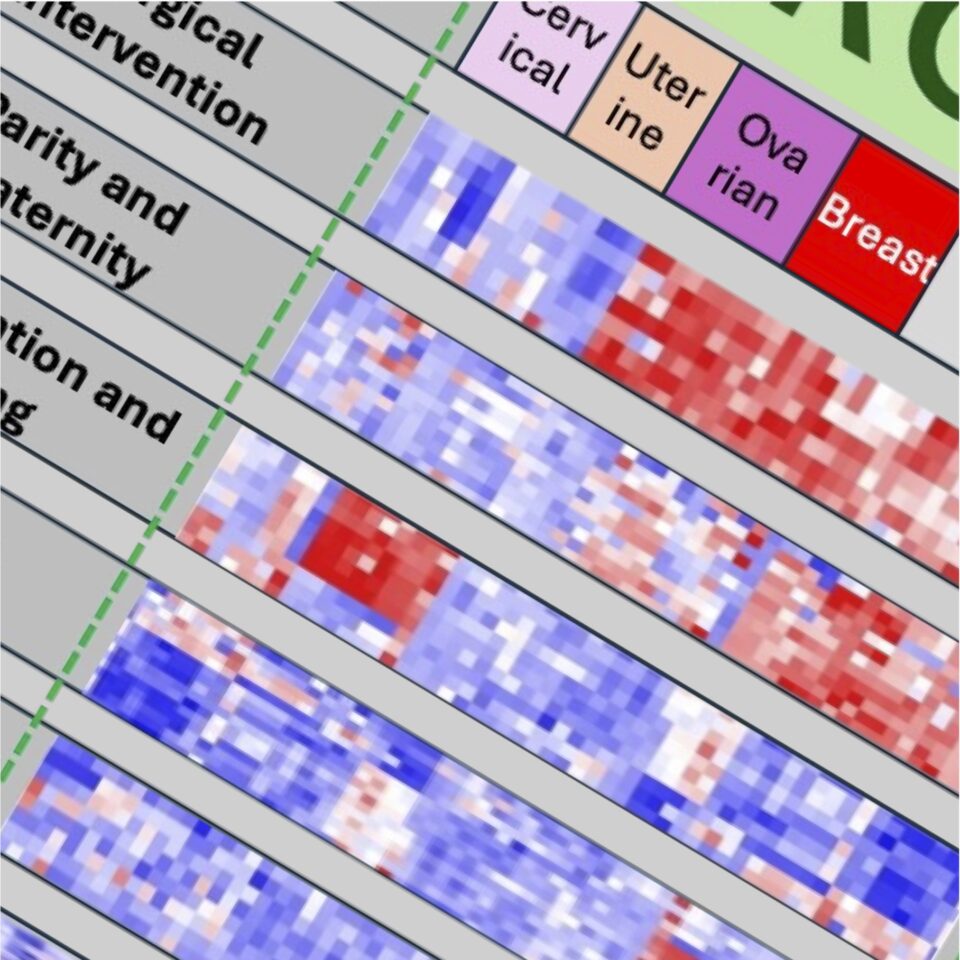
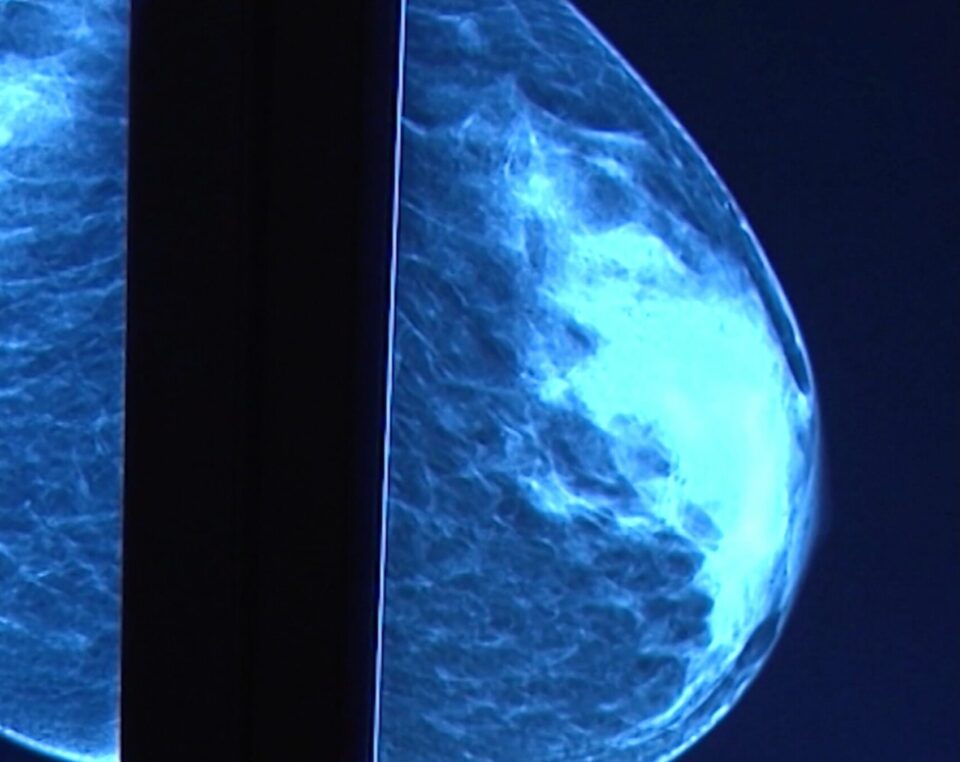
Identifiera riskfaktorer för cancer och utveckla bättre verktyg för förebyggande åtgärder och tidig upptäckt.

CIRCE samlar forskare från flera olika discipliner för att studera kvinnors cancer ur ett brett perspektiv – från risk och diagnos till behandling, livet efter cancer och jämlikhet i hälsa och vård.
Vår forskning förenar cancerbiologi med bilddiagnostik, epidemiologi, genomik, psykologi, demografi, hälsoekonomi och registerbaserad forskning. På så sätt kan vi bättre förstå inte bara hur cancer uppstår och behandlas, utan också hur sjukdomen påverkar kvinnors liv, familjer och samhället.
En av CIRCE främsta styrkor är möjligheten att koppla samman stora och kompletterande datakällor, såsom register, biobanker, kliniska data, bilddata och molekylära data, och analysera dem ur ett livsloppsperspektiv. Det gör det möjligt att undersöka komplexa forskningsfrågor som inte kan besvaras inom en enskild disciplin eller med hjälp av endast en datakälla.

Utvalda forskningsprojekt
CIRCE projekt bedrivs i skärningspunkten mellan biologi, kön, klinisk vård, demografi, socioekonomiska faktorer och livet efter cancer. Här presenterar vi ett urval av våra forskningsprojekt.
Vår forskning är organiserad i fem sammanlänkade arbetsområden
Tillsammans speglar dessa arbetsområden CIRCE:s ambition att bedriva forskning som håller hög vetenskaplig kvalitet, är kliniskt relevant och skapar värde för samhället.
Identifiera riskfaktorer för cancer och utveckla bättre verktyg för förebyggande åtgärder och tidig upptäckt.
Förstå vem som har nytta av behandling, vem som riskerar att drabbas av biverkningar och hur vården kan bli säkrare och mer individanpassad.
Förbättra livskvalitet, motståndskraft och långsiktiga utfall för patienter och deras familjer.

Minska ojämlikheter inom cancerprevention, diagnostik, behandling och livet efter cancer.

Utbilda nästa generation av forskare, främja samarbete och omsätta forskning i konkret nytta.
Senaste publikationerna
CIRCE forskare publicerar vetenskapliga artiklar, rapporter och andra forskningsresultat inom ett brett spektrum av områden med relevans för kvinnors cancer. Det omfattar bland annat cancerbiologi, genomik, bilddiagnostik, psykologi, epidemiologi, canceröverlevnad och jämlik hälsa, liksom tvärvetenskaplig forskning som knyter samman dessa områden. Här lyfter vi fram både aktuella publikationer och ett urval av centrala vetenskapliga arbeten som speglar bredden och målsättningarna i CIRCE forskning.
Visa alla publikationer| Titel | Författare (CIRCE-projektledare i fetstil) | Tidskrift | Datum |
|---|---|---|---|
| HER2-targeted PET-imaging with [68Ga]Ga-ABY-025 to predict targeted-therapy response in HER2-expressing metastatic breast cancer: study protocol of a multicenter, prospective, open-label trial | Altena R, Wiklander OPB, Romdhani NS, Kistner A, Klintman M, Skarping I, Lindman H, Rodriguez VS, Frisell O, Lindgren P, Bratteby K, Jussing E, Feldwisch J, Frejd FY, Cascales HS, Siikanen J, Hindorf C and Tran TA | Front. Oncol. | oktober 2026 |
| Cultural origins of preventive health care utilization | Bietenbeck J, Maschmann L, Nilsson T, Spika D | Journal of Economic Behavior & Organization | september 2026 |
| RECIST 1.1 and PERCIST for response assessment in metastatic breast cancer: feasibility and agreement in a real‑world retrospective cohort study |
| Eur J Radiol | september 2026 |
| Heterogeneous treatment response in metastatic breast cancer: discordance between FDG-PET and CT classification | Cancer Imaging | augusti 2026 | |
| Tracking structural variants in early breast cancer using a high-sensitivity ctDNA assay predicts relapse in the post-neoadjuvant setting: the multicenter ALIENOR trial | Blaye C, Bidard FC, Hue L, Howarth K, Pierga JY, Dalenc F, Jacot W, Djerroudi L, Potonnier W, Dumas V, Lalet C, Maréchal M, Pulido M, Brunet M, Salabert L, Venat L, Maran-Gonzalez A, Saal LH, Franchet C, Birkeälv S, MacGrogan G, Bonnefoi H | ESMO Open | juli 2026 |
| Artificial Intelligence Detection Scores in Screening Mammography for Early Breast Cancer Alerts | Hickman S, Gialias P, Schurz H, Cossío F, Choi T, Tsirikoglou A, Gustafsson H, Zackrisson S, Strand F. | Radiology | juni 2026 |
| NeoCircle: pre- and post-operative circulating tumor DNA dynamics predicts survival in neoadjuvant-treated early breast cancer | George AM, Chen Y, Gladchuk S, Alcaide M, Dalal H, Meng P, Brueffer C, Saghir H, Kimbung S, Aaltonen K, Oton L, Rushton C, Birkeälv S, Jönsson M, Zackrisson S, Skarping I, Förnvik D, Zander L, Honeth G, Woodhouse S, Howarth K, Borg Å, Ehinger A, Malmberg M, Rydén L, Loman N, Saal LH. | EMBO Mol Med | maj 2026 |
| The Meaning of Surveillance in Women With a Hereditary Risk of Breast Cancer: A Hermeneutic Phenomenological Study | Sjöqvist AS, Zackrisson S, Gårdling J, Bolejko A | J Clin Nurs | maj 2026 |
Forskningsanslag
CIRCE finansieras genom ett omfattande, långsiktigt centrumanslag från Forte och Vetenskapsrådet. Utöver centrets grundfinansiering får CIRCE forskare stöd genom ett brett utbud av nationella och internationella forskningsanslag. Den breda finansieringen speglar både den vetenskapliga styrkan hos CIRCE forskare och betydelsen av de frågor som centret arbetar med. Vi är mycket tacksamma för stödet från alla nuvarande och framtida finansiärer som gör vår forskning möjlig och delar vår ambition att stärka forskningen om kvinnors cancer – till nytta för patienter, familjer och samhället i stort.