

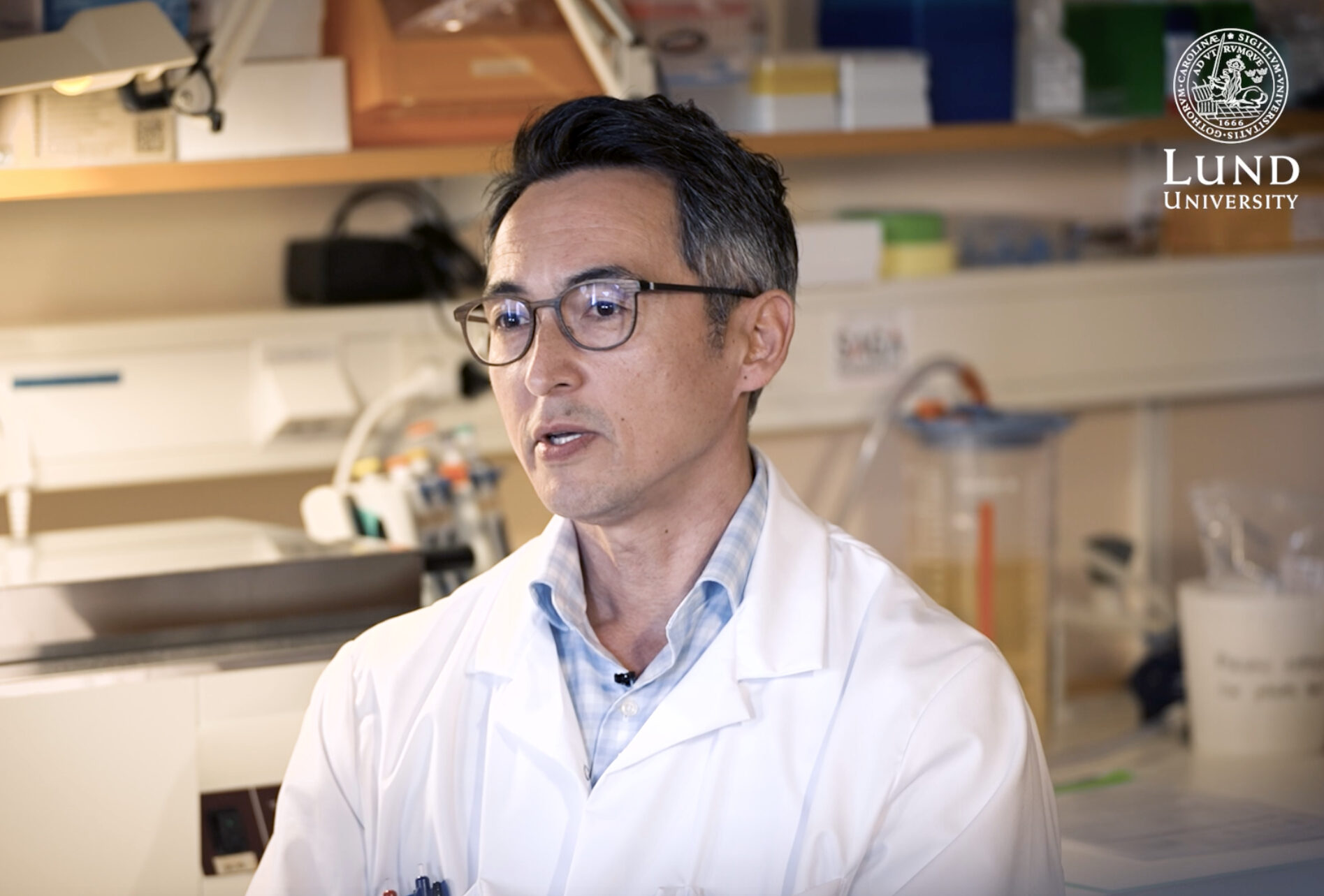
As a teenage cancer patient, Lao Saal experienced firsthand how science can rewrite a life.
Years later at Lund University, he developed a blood test that can detect signs of cancer relapse far earlier than today’s clinical standards.
For many patients treated for breast cancer, follow-up is marked by uncertainty. A mammogram may look normal and there may not be any alarming symptoms – and still, somewhere in the body, the disease may have returned.
For decades, that has been one of the difficult realities in breast cancer care. For cancer researcher and CIRCE co-director, Lao Saal, the question of earlier detection is personal. As a teenager, he was diagnosed with leukaemia and spent three years in a clinical trial at the U.S. National Institutes of Health. When he recovered, he could have chosen to leave the experience behind him. Instead, he did the opposite — immersing himself in the subject.
“I decided to talk to some of my doctors who had treated me and ask them about their research. They invited me to start working in the lab, and that’s where I got hooked on the research“, Lao says.
The rest, as they say, is history.
Read more and see the interview at https://www.lunduniversity.lu.se/how-cancer-survivor-developed-blood-test-can-change-cancer-care