

Breast cancer genomics, diagnostics, liquid biopsies, and Al-driven translational oncology.


CIRCE's mission is to address unmet needs facing women’s cancers − which are among the leading causes of morbidity and mortality worldwide and impacts millions of individuals and families each year.
In Sweden, the incidence of several women-specific and women-enriched cancers continues to rise, while important inequalities persist in prevention, diagnosis, treatment, rehabilitation, and survivorship. The impact of cancer extends far beyond the individual patient, influencing mental health, family life, work participation, and society as a whole.
Supported for 10 years
CIRCE − Center for Interdisciplinary Research on Cancer and Equity in Women − is a research center at Lund University, supported for up to 10 years by a grant from the Swedish government (FORTE and the Swedish Research Council; Vetenskapsrådet), and was established in December 2025. CIRCE brings together researchers from three Lund University faculties and Skåne University Hospital Comprehensive Cancer Center (SUHCCC) to advance interdisciplinary and transdisciplinary research in women’s cancers.
CIRCE integrates expertise across oncology, genomics, epidemiology, psychology, public health, social sciences, health economics, and data science, with the long term goal to better understand cancer risk, improve prevention, early detection, and treatment strategies, survivorship, and equity in cancer care.
Through collaboration, innovation, large-scale data integration, and close engagement with patients and society, CIRCE seeks to generate knowledge that can improve both individual outcomes and public health.
CIRCE is named after Circe (Sv. Kirke), a Greek goddess and symbol of knowledge and feminine power.
A Unique Combination of Disciplines
CIRCE combines expertise from medicine, public health, psychology, social sciences, epidemiology, health economics, and data science to create a uniquely interdisciplinary research environment. A strong research environment at Lund University, in collaboration with Skåne University Hospital Comprehensive Cancer Centre (SUHCCC), CIRCE connects expertise across three university faculties and multiple clinical and research environments.
Breast cancer genomics, diagnostics, liquid biopsies, and Al-driven translational oncology.
Diagnostic radiology, cancer screening, and AI-based medical imaging.
Systems immunology, sex differences in immunity, computational biology.

Breast cancer imaging, treatment response assessment, neoadjuvant therapy, and AI-supported precision diagnostics.
Ovarian and breast cancer genomics, hereditary cancer, and precision medicine.

Breast cancer surgery, precision diagnositics, and psychological resilience after cancer diagnosis.

Historical demography, early-life determinants of health, life-course epidemiology, and population health.
Rehabilitation, patient experiences, integrated cancer care.
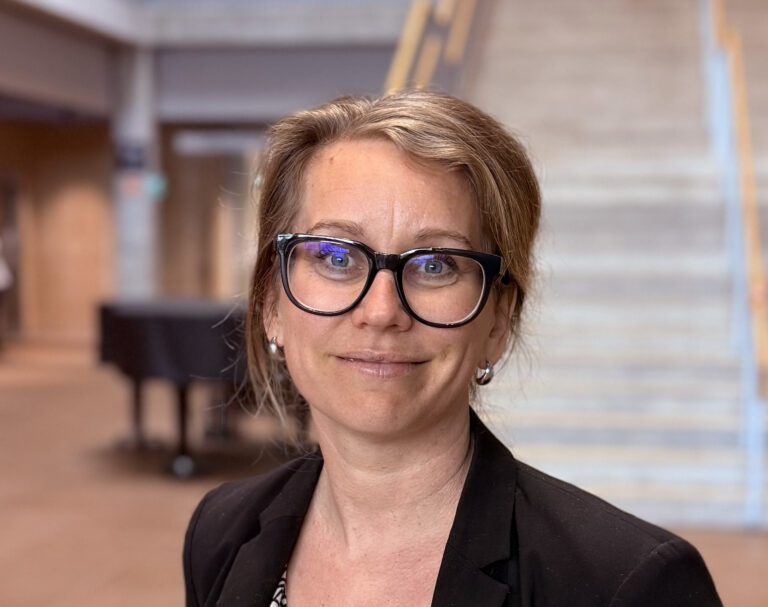
Cancer epidemiology, environmental exposures, breast cancer prevention, and women's health.

Breast oncology, hereditary cancer, genomics, and personalized cancer care.

Gynecologic oncology, ovarian cancer surgery, hereditary cancer, and precision medicine.

Gastrointestinal oncology, colorectal cancer, minimally invasive surgery, and clinical research.

Mental health, psychosocial wellbeing, and psychosocial care in cancer and other chronic conditions.

Perinatal and cardiovascular epidemiology, maternal health.
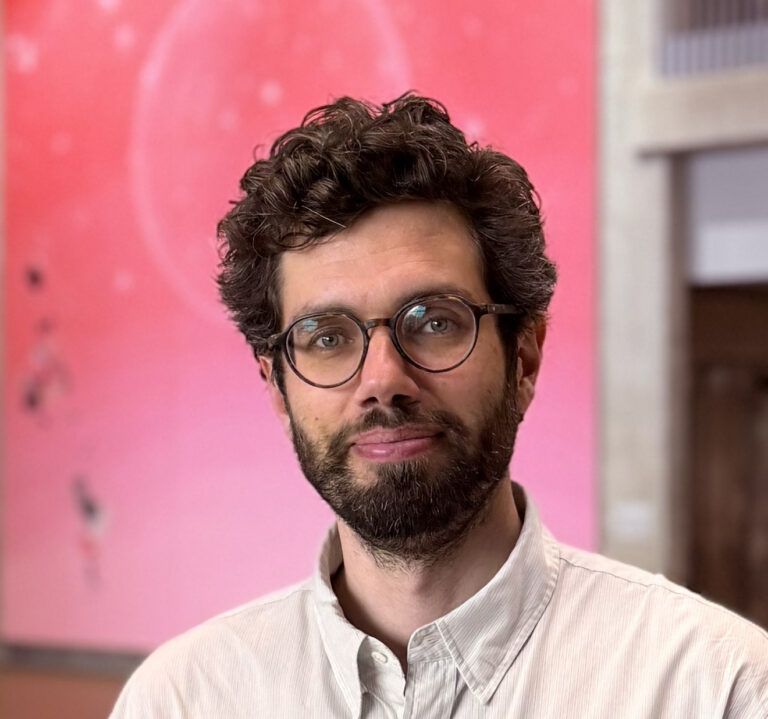
Ageing, quality of life, psychosocial factors, supportive environments and technologies.

Health economics, health inequalities, early-life interventions, and long-term effects of public policy on health.
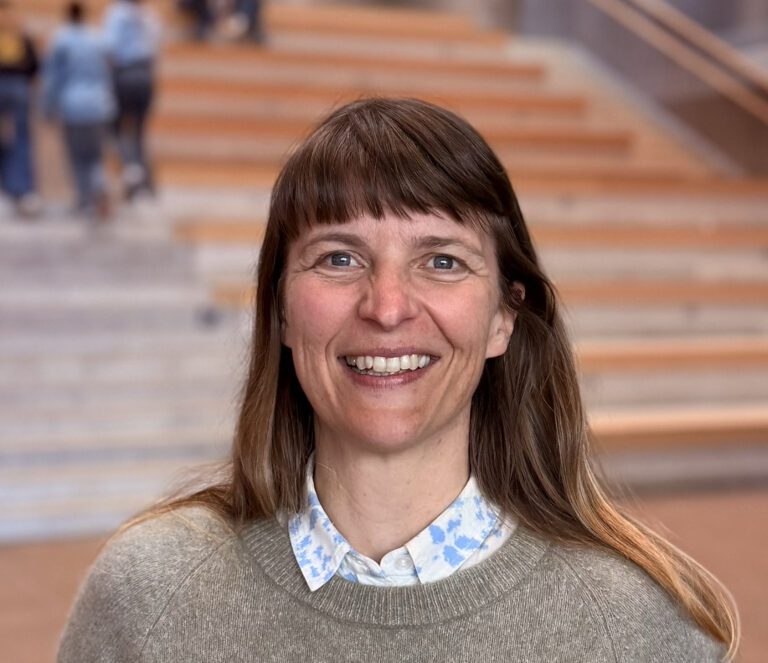
Center Coordinator
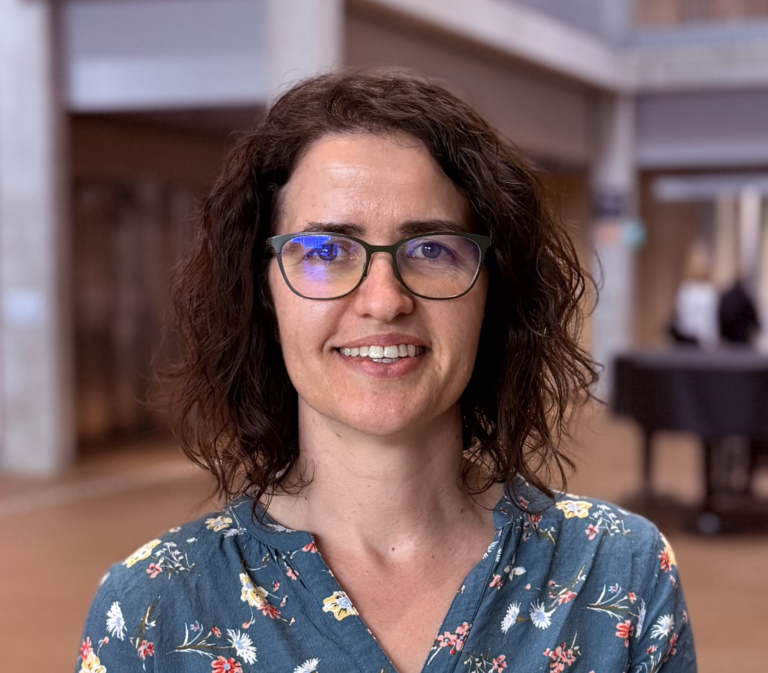
CIRCE’s Stakeholder Advisory Group helps ensure that our research stays connected to the needs, experiences, and priorities of people affected by cancer, and to the wider systems that shape prevention, care, and support.
Members of the group contribute to CIRCE’s development by offering feedback, highlighting emerging needs, and helping us think about how research can be translated into real-world benefit for patients, families, healthcare, and society.
