This project uses data from the SCAN-B study to develop gene expression profiles that can help predict how a patient’s breast cancer is likely to respond to treatment. The goal is to support more precise and personalized treatment decisions, helping ensure that each patient receives the treatment that is most likely to benefit her.
Why this project matters
Patients with breast cancer do not all respond to treatment in the same way. Some benefit greatly, while others may experience limited benefit together with side effects or unnecessary burden. Better tools for predicting treatment response could improve outcomes, reduce overtreatment, and support safer and more individualized care.
Research focus
The project aims to:
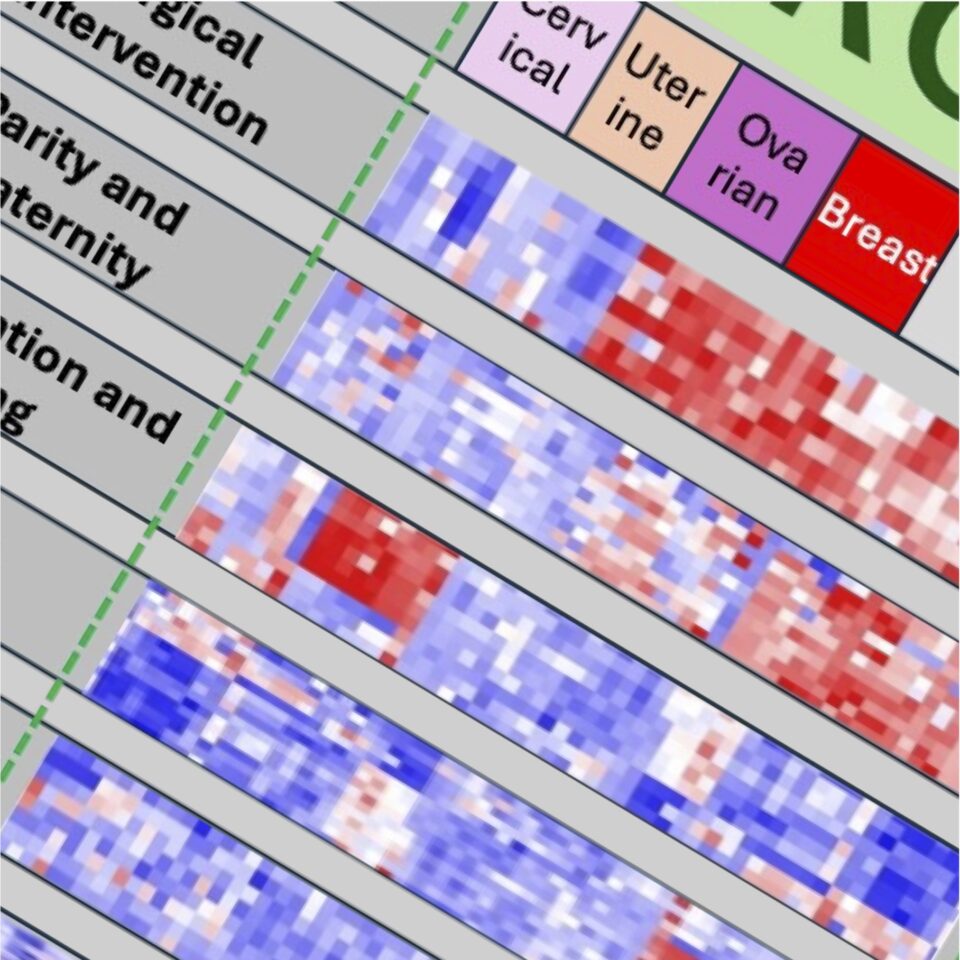
identify gene expression patterns associated with treatment response
improve prediction of which patients are likely to benefit from specific therapies
develop models that can be validated in real-world clinical settings
contribute to more personalized treatment strategies in breast cancer care
Methods and data
The project builds on the SCAN-B infrastructure, which combines tumor tissue, blood samples, molecular data, and clinical information from a large population-based cohort of breast cancer patients in Sweden. By analyzing tumor gene expression together with treatment and outcome data, the project seeks to identify profiles that are linked to response, resistance, and prognosis.