Health economics, health inequalities, early-life interventions, and long-term effects of public policy on health.

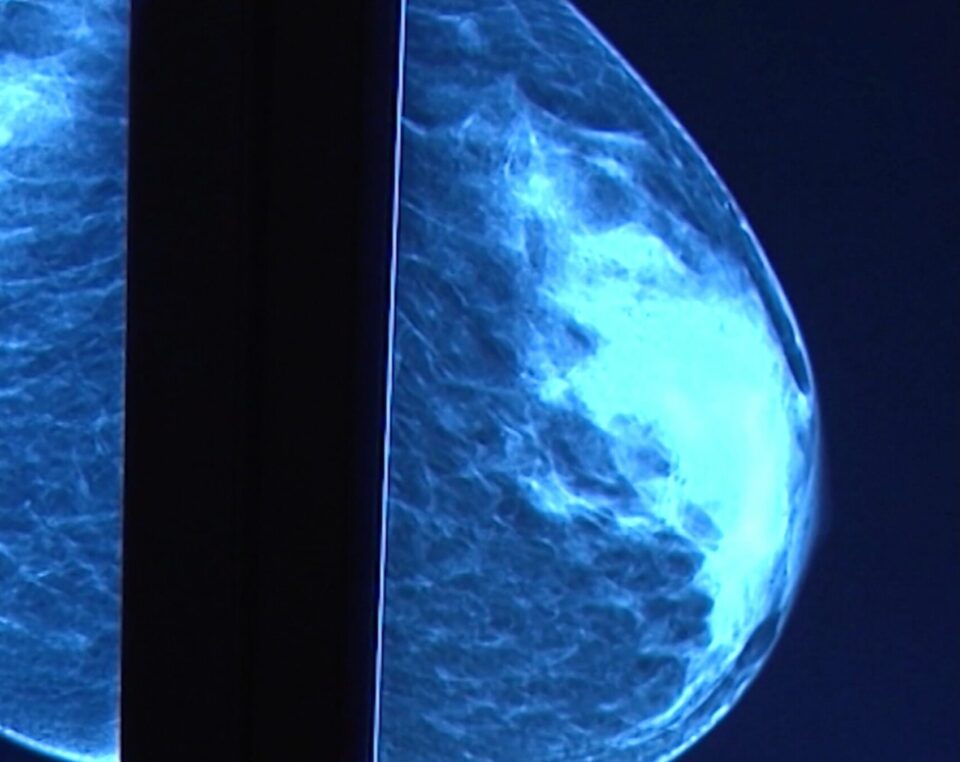
This project examines how cultural differences in time preferences, risk preferences, and health-related decision-making may influence participation in preventive cancer screening. By studying screening patterns among second-generation immigrants and comparing results within Sweden and across Europe, the project aims to better understand why inequalities in uptake persist and how policy can reduce them.
Cancer screening can save lives, but not everyone participates to the same extent. Differences in screening uptake are often explained by access, income, education, or healthcare systems. However, cultural norms and preferences may also shape how people think about prevention, risk, and future health. Understanding these influences is important for designing screening programs that are more effective, equitable, and responsive to different populations.
The project aims to:
The project uses epidemiological and register-based methods to analyse participation in cancer screening across groups and contexts. A particular focus is placed on second-generation immigrants, where institutional and economic conditions may be more similar than in first-generation populations, making it easier to study the role of culture and preferences. The project combines population-level data with contextual comparisons within Sweden and across Europe.


In collaboration with CIRCE researchers
Related Workstreams
Reducing disparities in cancer prevention, diagnosis, treatment, and survivorship.